
Amla Benefits: What the Clinical Evidence Actually Shows
Amla benefits backed by clinical trials: vitamin C content vs synthetic, immunity, hair, skin, heart markers, daily amount to eat, and who should limit it.
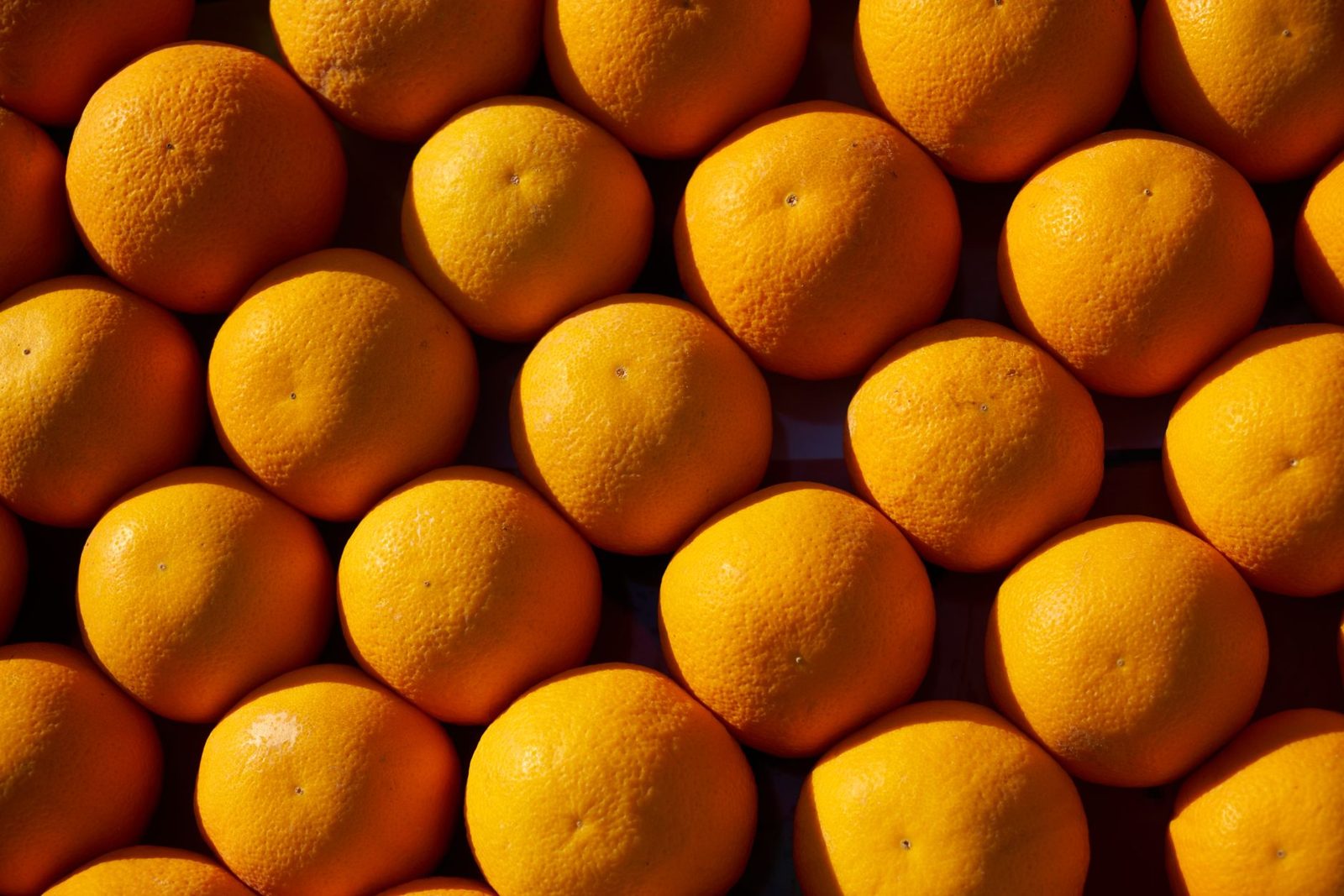
"Amla benefits" gets searched over 33,000 times a month in India - for a berry most of us grew up watching our grandmothers eat raw with a pinch of salt. Yet lab data shows vitamin C deficiency touching nearly three in four adults in North India [4]. The gap is not respect for amla; it is that pressure cooking destroys most vitamin C in food, sun-dried amla candy loses 60-80% of its own, and the fresh fruit is only in season from November to February. Here is what amla actually does, graded by evidence rather than by WhatsApp forward.
How much vitamin C is in amla vs synthetic vitamin C?
Fresh amla pulp carries roughly 470-680 mg of natural ascorbic acid per 100 g - about ten times an orange by weight [2]. A single medium fruit comfortably covers the ICMR-NIN daily requirement of 80 mg for men and 65 mg for women.
Synthetic L-ascorbic acid is fragile: intestinal transporters saturate above roughly 100 mg per dose, so much of a large tablet never gets absorbed. In amla, the same ascorbate sits inside a matrix of hydrolyzable tannins - emblicanin A and B, punigluconin, pedunculagin, beta-glucogallin. These tannins shield the vitamin C from heat and oxidation, slow gut transit so absorption stays steady instead of saturating, and redox-cycle to regenerate active ascorbate, extending its working life in the body [2][5]. That is also why amla keeps helping after a plain tablet would have been excreted.
Practical translation: a raw fruit beats a boiled one - and both beat nothing.
What are the proven health benefits of amla?
Amla carries Grade A evidence overall - multiple double-blind randomized placebo-controlled trials, an active-comparator study against atorvastatin, and a systematic review/meta-analysis. But the evidence is strongest for cardiometabolic markers, not for every traditional claim. Grading them honestly:
Cholesterol and triglycerides (strongest evidence). In the flagship multicenter trial, 500 mg of standardized amla extract twice daily for 12 weeks cut total cholesterol, triglycerides, LDL-C, VLDL-C, and the atherogenic index of plasma by 39% while raising HDL - without depleting CoQ10, unlike high-dose statins [1]. A meta-analysis of RCTs confirms these cholesterol and LDL reductions in dyslipidemic adults [5].
Blood vessel function and blood sugar (strong). In type 2 diabetics, 250-500 mg twice daily improved endothelial function and cut oxidative-stress markers (MDA), comparable to atorvastatin 10 mg on vascular endpoints [2]. A separate controlled trial found 1-3 g/day of amla powder dose-dependently lowered fasting and post-meal glucose alongside cholesterol in healthy and diabetic adults [3].
Immunity and iron absorption (solid mechanism). Amla's vitamin C supports immune cell function and converts plant-based (non-heme) iron into its absorbable form, bypassing phytate inhibition from dals and greens [2] - dal eaten with amla absorbs measurably better than dal alone, a quiet benefit for India's large vegetarian population.
Hair and skin (traditional use; plausible mechanism). Collagen synthesis needs vitamin C and amla's polyphenols reduce oxidative stress - which is why it features in virtually every Ayurvedic hair oil. Direct clinical trials for hair growth or skin outcomes are thin; treat these uses as tradition-plus-theory rather than proven therapy.
Amla side effects: who should limit or avoid it?
Amla is a food first, and food-level consumption is safe for nearly everyone - pregnant women included. The cautions concentrate at concentrated-extract doses:
| Situation | Why it matters | What to do |
|---|---|---|
| Acidity, reflux, active ulcer or gastritis | Amla's organic acids (gallic, ellagic, citric) and tannins irritate eroded mucosa; heartburn is the most common complaint | Never on an empty stomach; take after meals, start small; avoid raw preparations during an acute ulcer flare |
| Diabetes medication (metformin, glimepiride, insulin) | Amla lowers blood sugar through its own mechanism, so effects stack - hypoglycemia risk | Monitor glucose frequently; your doctor may reduce your medicine dose [3] |
| Blood thinners / antiplatelets (warfarin, aspirin, clopidogrel) | Mild antiplatelet activity may add to the drug's effect | Monitor INR/bleeding; stop extracts at least 14 days before surgery |
| Calcium-oxalate kidney stones | High-dose vitamin C raises urinary oxalate | High-dose extracts are relatively contraindicated; one fruit a day is fine |
| Blood pressure medicines | Additive nitric-oxide-mediated BP lowering | Monitor BP routinely |
Everyday side effects are mild: sour burps, nausea on an empty stomach, loose motions above 5-10 g of crude powder a day. Acidic juice can etch tooth enamel, so rinse after drinking. See a doctor for warning signs - black or bloody stools, sweating-and-tremor glucose crashes, or severe flank pain.
Fresh vs juice vs powder vs capsule: which form of amla is best?
Form decides how much of the benefit survives processing:
| Form | Vitamin C retained | Notes |
|---|---|---|
| Fresh fruit (raw) | Full (470-680 mg/100 g) | Gold standard; seasonal Nov-Feb; one fruit meets the day |
| Cold-pressed juice | Good if unpasteurized | Convenient; rinse mouth after; avoid heat-pasteurized bottles |
| Freeze-dried / standardized extract powder or capsules | High | Standardized ≥35% polyphenols gives trial-level dosing (250-500 mg twice daily) |
| Sun-dried churna / candy / murabba | Loses 60-80% during drying; sugar in murabba further dilutes | Tasty tradition, weakest delivery |
Heat is the enemy - pressure cooking destroys up to 80% of vitamin C in food, and sun-drying does the same to amla itself [4]. When buying supplements, choose a standardized extract with third-party testing (FSSAI/AYUSH-certified, heavy-metal COA) in a plant-based HPMC capsule rather than gelatin.
Browse top-rated options on Amazon.in →
How much amla should you eat per day?
One fresh fruit a day covers the ICMR-NIN vitamin C requirement for any adult [2]. Beyond that, dose by goal:
- As a food: 1-2 fresh fruits daily, raw or lightly prepared; juice, 20-30 ml cold-pressed.
- Crude churna (powder): 1-3 g/day split across 2-3 doses - the dose used in the glucose and lipid trial [3].
- Standardized extract capsules: 250-500 mg twice daily after meals, the protocol behind the strongest cholesterol and endothelial results [1][2]. Give it at least 12 weeks before judging lipid changes; these trials ran three months minimum.
Take it after meals rather than before - food buffers the acids that cause acidity, and steady post-meal dosing keeps vitamin C transporters from saturating. If you also take zinc or calcium, separate high-tannin crude powders by about two hours so the tannins don't bind the minerals.
Browse budget options on Amazon.in →
Take the free Supplement Matching Test →
Not sure whether amla earns a slot in your stack? Our free Supplement Matching Test scores all 32 supplements against your diet, goals, and health profile - takes two minutes.
FAQ
Roz kitne amla khane chahiye?
Ek fresh amla roz khaana kaafi hai - usme utna vitamin C hota hai jitna ek adult ko poore din ke liye chahiye [4]. Khaane ke baad lena best hai, khali pet nahi, warna tezlati (acidity) ho sakti hai. Churna le rahe ho to 1-3 gram din bhar mein baant kar, aur standardized capsule ho to 250-500 mg din mein do baar [1][3]. Season (Nov-Feb) mein fresh fruit, baaki mahinon mein juice ya capsule theek rahta hai. Sugar, BP ya blood thinner ki dawa le rahe ho to pehle doctor se poochh lena.
Is it better to eat amla raw or drink it as juice?
Raw wins when you can get it - nothing is lost to processing, and the fibre slows transit so the tannin-protected vitamin C absorbs steadily [2][5]. Cold-pressed unpasteurized juice retains most vitamin C for those who can't face the sourness; rinse after. Anything heat-pasteurized, boiled, or sun-dried gives up 60-80% of the vitamin C.
What are the actual benefits of amla for hair?
Mostly tradition and mechanism rather than clinical proof. Amla's vitamin C is required for collagen synthesis around hair follicles and its polyphenols lower oxidative stress - both plausible routes to stronger hair, and why every Ayurvedic hair oil leads with it. But there are no rigorous human trials on amla alone for hair growth, so treat topical oils and murabba-style claims accordingly.
Does amla have side effects?
At food doses, rarely anything beyond sour burps. Heartburn or nausea on an empty stomach is the most common complaint; loose motions appear above 5-10 g/day of crude powder. The serious list is short but real: additive blood-sugar lowering with diabetes medicines [3], mild bleeding effect with warfarin or aspirin, and higher stone risk for calcium-oxalate kidney-stone formers at high extract doses. Stop before surgery by at least two weeks.
Can I take amla with my diabetes medication?
Only with monitoring. Amla lowers glucose through its own mechanisms (less hepatic gluconeogenesis, better peripheral uptake), so metformin or glimepiride plus daily amla can overshoot into hypoglycemia [3]. Check sugars more often after starting, keep a fast-acting carb handy, and ask your doctor whether your dose needs trimming.