
Ashwagandha vs Shilajit: Which One Do You Need?
Ashwagandha vs shilajit compared honestly: stress and cortisol vs testosterone and energy, evidence grades, safety, whether you can take both together.
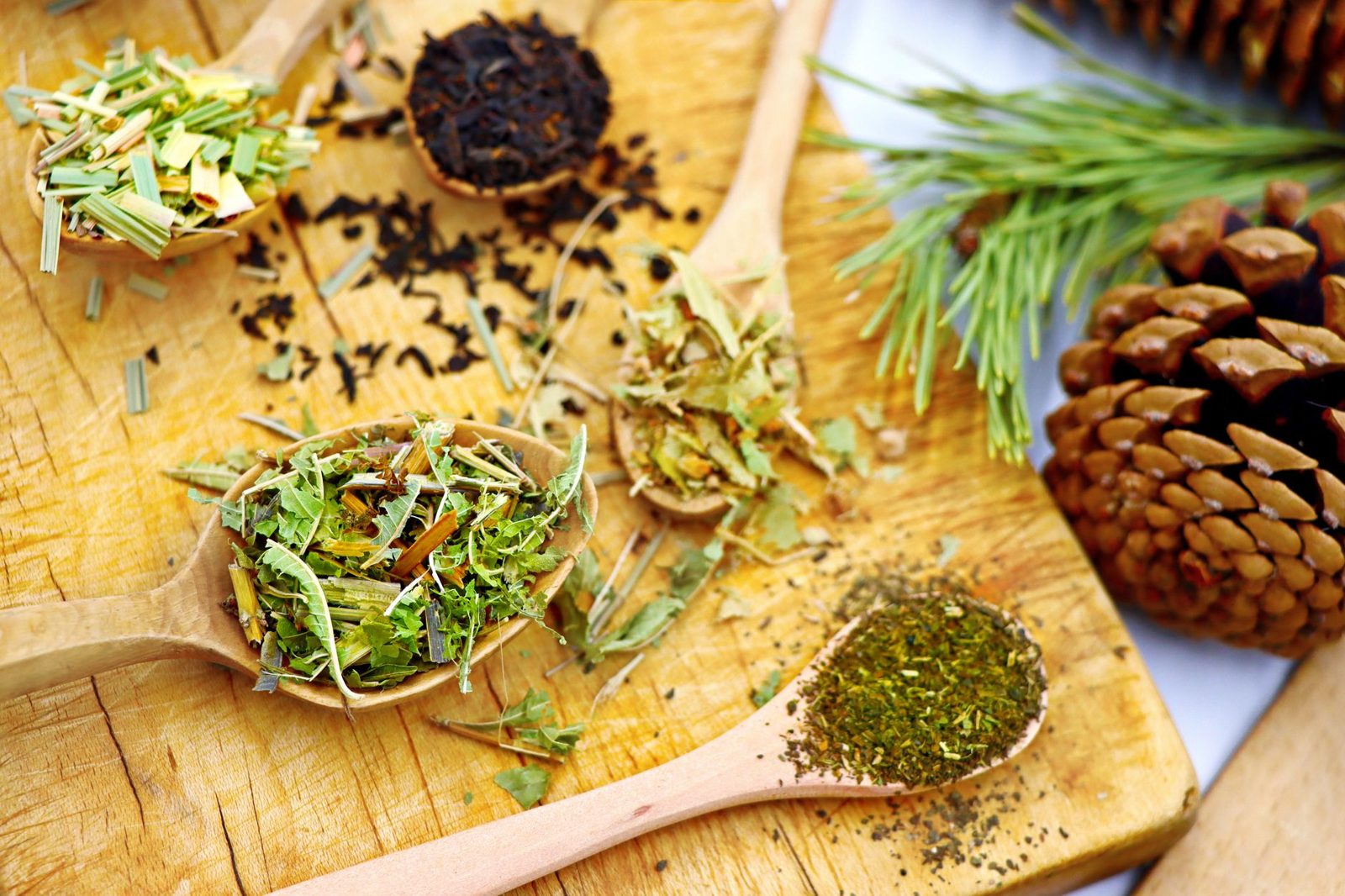
"Ashwagandha vs shilajit" is the matchup dominating men's-health searches in India right now - two Ayurvedic heavyweights stacked side by side on every marketplace listing. The honest answer: they aren't really competitors. Ashwagandha's clinical strength is calming an overactive stress axis - lower cortisol, better sleep, steadier mood [1][2]. Shilajit's is mineral-energy support: trials show modest testosterone gains, better sperm parameters, and less post-exercise strength loss [6][7][8]. Pick by your goal, not by hype. Here's the evidence-first breakdown.
Ashwagandha vs shilajit: head-to-head
| Ashwagandha | Shilajit | |
|---|---|---|
| Primary benefit | Stress, cortisol, sleep quality [1][2] | Testosterone support, energy, recovery [6][7][8] |
| Evidence grade | A (stress/anxiety/sleep); B (thyroid, fertility) | B (consistent RCTs; moderate sample sizes) |
| Onset timeline | Sleep ~2-4 weeks; stress/cortisol full effect ~8 weeks [2][1] | Testosterone/sperm ~90 days; recovery markers 4-8 weeks [7][8] |
| Safety profile | Good to 1,000 mg/day extract; avoid in pregnancy, hyperthyroidism, autoimmune disease | Good to 1,000 mg/day purified extract; purity/heavy metals are the real risk |
Why does this matchup dominate search feeds? Both sit among India's most-bought Ayurvedic supplements, both get lumped into every "testosterone booster" listing, and both are FSSAI-regulated categories - so marketplaces present them as interchangeable rivals. They aren't. One is a root grown in Madhya Pradesh and Rajasthan; the other is a rock exudate scraped from Himalayan cliffs. Different plants, different mechanisms, different jobs.
What ashwagandha actually does: stress and cortisol
This is Grade A territory. A 2024 meta-analysis of nine randomized controlled trials found standardized ashwagandha root extract significantly reduced Perceived Stress Scale scores and Hamilton Anxiety ratings versus placebo [1]. Morning serum cortisol fell by roughly 2.6 µg/dL - around a 20-30% drop in chronically stressed adults [1]. A separate meta-analysis of five RCTs showed measurably better sleep quality, strongest in people with diagnosed insomnia taking 300-600 mg daily for eight or more weeks [2].
Mechanistically, withanolides dampen HPA-axis overactivity - the feedback loop that keeps stress hormones circulating. Trials ran about eight weeks before full effect, so this is a steady lever, not an instant sedative [1][3].
On the men's-health angle both herbs get marketed for: a double-blind trial in oligospermic males using root extract for 90 days reported roughly a 167% relative increase in sperm concentration, with improvements in motility and testosterone [5]. There's endocrine data too - an 8-week placebo-controlled trial in subclinical hypothyroid patients found 600 mg/day of root extract normalized TSH and thyroid hormone levels [4]. That's a doctor-supervised use case, not a self-prescribed one. Overall it's a fertility-and-thyroid footnote to the main stress-and-sleep story, with smaller trials behind it.
Browse top-rated options on Amazon.in →
What shilajit actually does: vitality and energy
Shilajit works through a different door entirely. It's a Himalayan exudate rich in fulvic acid and dibenzo-α-pyrones - compounds that carry minerals into cells and act inside mitochondria, the structures that make cellular energy [8]. The clinical record:
- Testosterone: In a 90-day placebo-controlled trial of 96 healthy men aged 45-55, 250 mg of purified shilajit twice daily raised total testosterone by ~20%, free testosterone by ~19%, and DHEAS by ~18% [6].
- Fertility: In 28 oligospermic men, the same dose over 90 days increased total sperm count by ~61% and semen volume by ~38% [7]. Small sample, real signal.
- Recovery: An 8-week trial in recreationally active men found 500 mg/day preserved more isometric strength after fatiguing exercise and lowered serum hydroxyproline, a marker of connective-tissue breakdown [8].
Grade B overall - consistent randomized trials, but sample sizes run 28-96 participants, so treat the numbers as directional rather than guaranteed.
Browse budget options on Amazon.in →
Can you take ashwagandha and shilajit together?
Yes - this is one stack where mechanisms don't collide. The dossiers list them as explicitly complementary: ashwagandha's withanolides blunt HPA-axis overactivity and lower cortisol output [1], while shilajit's fulvic-acid complexes support mitochondrial ATP production and Leydig-cell steroidogenesis [6][8]. One calms the stress axis that suppresses testosterone signalling; the other feeds the machinery that produces it. Trials used both herbs independently at 90-day protocols without interaction flags between them.
Practical stacking notes:
- Timing: shilajit 250 mg twice daily with morning and evening meals; ashwagandha 300-600 mg with dinner or 30-60 minutes before bed if sleep is your goal. No conflicts - just keep total ashwagandha extract at or under 1,000 mg/day.
- Quality doubles in importance: you now need root-only certification for the ashwagandha and heavy-metal testing for the shilajit.
- Medical overlap: both can add to diabetes and blood-pressure medicines, so the stack needs doctor sign-off if you take either.
Safety notes: different strengths, different risks
Ashwagandha is well tolerated at trial doses, but hard lines exist: avoid entirely in pregnancy and breastfeeding (documented abortifacient risk at elevated doses), hyperthyroidism, autoimmune conditions like Hashimoto's or rheumatoid arthritis, and hormone-sensitive prostate cancer. If you take levothyroxine, sedatives, or diabetes medication, ask your doctor first - it interacts with all three. Stop at least 14 days before surgery.
Shilajit's biggest risk isn't the herb - it's purity. Raw, unrefined mountain resin contains lead, mercury, arsenic, cadmium, fungal spores, and mycotoxins; lead toxicity from crude resin is a documented poisoning route. Only purified, standardized extracts with FSSAI/NABL-compliant heavy-metal certification belong anywhere near your kitchen shelf. It's also out for pregnancy, children under 18, hereditary hemochromatosis, active gout, and hormone-sensitive cancers.
Red flags on either supplement - yellowing eyes, dark urine, severe abdominal pain, racing heart, rash or swelling - mean stop immediately and see a doctor.
Take the free Supplement Matching Test →
Ashwagandha vs shilajit: the verdict by goal
| Your primary goal | Better pick | Why |
|---|---|---|
| Stress, overthinking, poor sleep | Ashwagandha | Grade A meta-analyses for stress, anxiety, sleep quality [1][2] |
| Low energy, stamina, workout recovery | Shilajit | Mitochondrial ATP support; strength preserved after fatigue in trials [8] |
| Testosterone / fertility focus | Shilajit first | Direct trial data on T and sperm parameters [6][7] |
| Stress AND low vitality together | Both | Complementary mechanisms; no known conflict |
One honest caveat: neither replaces the fundamentals. If sleep debt, zero training, or chronic overwork is driving the problem, no capsule outranks fixing those.
FAQ
Ashwagandha ya shilajit - pehle kya lein?
Apne main goal se decide karo. Stress, chinta aur neend ka problem hai to ashwagandha pehle lo - iske evidence Grade A hai [1][2]. Energy, stamina ya testosterone ki baat hai to shilajit try karo [6]. Confusion ho to dono saath bhi chale hain, kyunki dono ke mechanisms alag hain. Bas dhyan rahe: ashwagandha root-only ho, aur shilajit lab-tested purified resin hi ho.
Can women take ashwagandha or shilajit?
Ashwagandha's stress and sleep benefits apply to women in trials too, but pregnancy and breastfeeding are absolute no's for both supplements. Shilajit has bone-density trial data in postmenopausal women; women trying to conceive should still clear either supplement with their doctor first.
How long before results show?
Ashwagandha: sleep improvements often appear by weeks 2-4; stress and cortisol effects need about eight weeks of daily use [1][2]. Shilajit: recovery markers move within 4-8 weeks [8], while testosterone and sperm-parameter changes were measured at 90 days [6][7]. Neither works overnight, and neither is worth judging before a full run.
Which one is safer?
Both are well tolerated when purified and dosed correctly - trials ran to 1,000 mg/day of each without serious adverse events. The risk profiles differ: ashwagandha carries thyroid and pregnancy contraindications plus rare liver-injury reports, while shilajit's danger sits almost entirely in contaminated, unpurified products. Buy third-party-tested versions of either.
Take the free Supplement Matching Test → -> https://supplementme.in/questionnaire Anchor suggestion: "Ashwagandha, shilajit, ya kuch aur? Take the free Supplement Matching Test" Placement: article conclusion
Not sure which of the two - or neither - fits your goals? Our free Supplement Matching Test scores all 32 supplements against your profile in about two minutes.