
Best Plant Protein in India: Blends, Quality & Labels
Which plant protein actually builds muscle? PDCAAS/DIAAS scores, pea-rice blend science, label traps, and how much protein you really need per day.
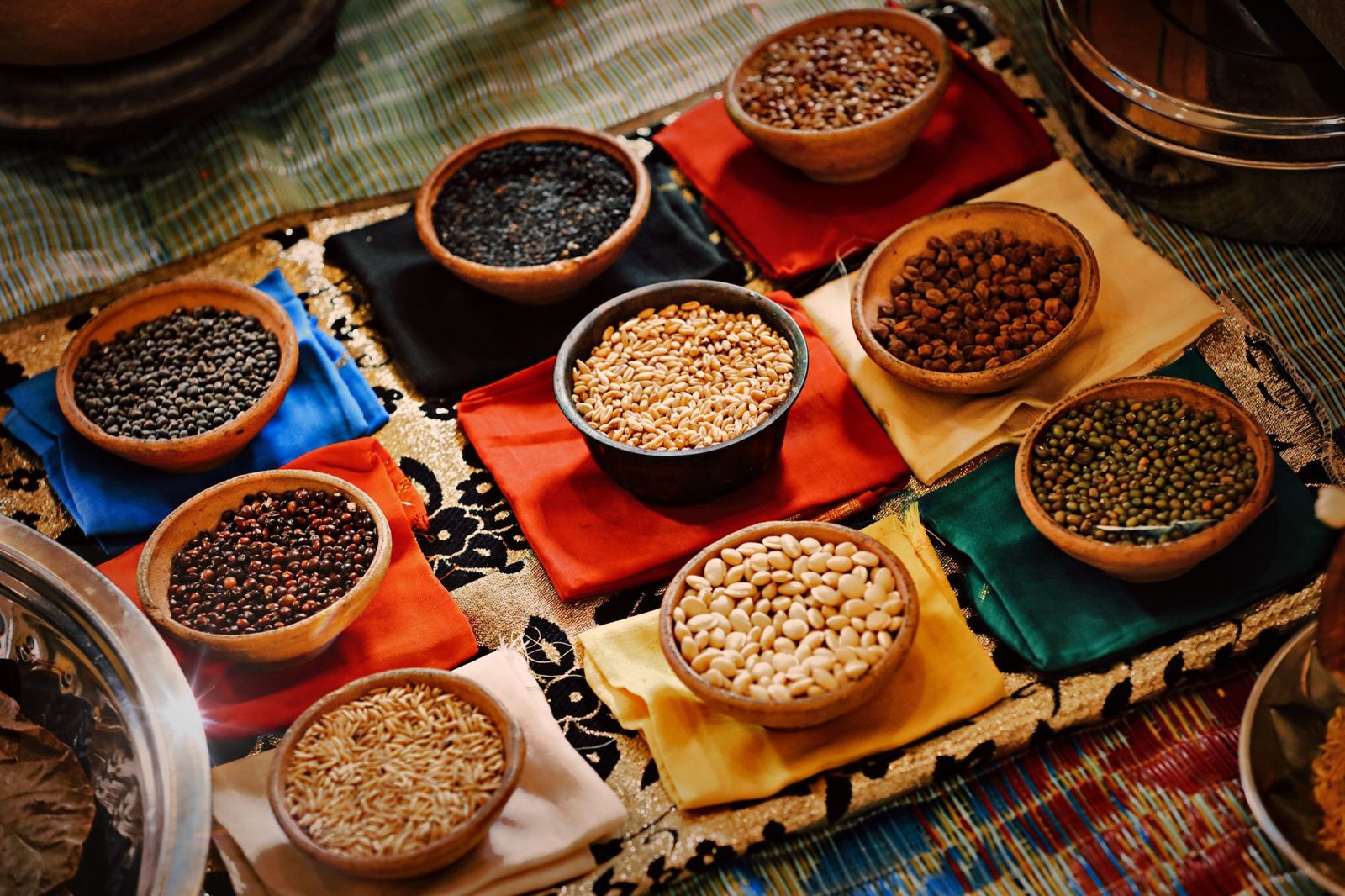
India runs on dairy-heavy vegetarian plates that often under-deliver protein - roughly 73% of urban adults consume below the recommended daily amount [4]. If you're lactose intolerant (most Indians are to some degree), eat vegan, or just want variety beyond whey, plant protein is a legitimate choice. But not all plant proteins are equal, and the differences are measurable. Here's what the digestion-science says about which ones actually work.
How much protein do you need per day?
The ICMR-NIN baseline is 0.83 g per kg of body weight - about 54 g/day for a 65 kg man, 46 g/day for a 55 kg woman [4]. That's the floor for sedentary health, not the target if you train:
| Profile | Daily protein target |
|---|---|
| Sedentary adult | 0.8-1.0 g/kg |
| Regular gym-goer / muscle goal | 1.6-2.0 g/kg |
| Fat loss (preserving muscle) | 1.6-2.2 g/kg |
| Pregnancy (third trimester) | baseline + ~22 g/day |
A typical Indian vegetarian plate delivers far less than these targets - which is exactly where a scoop of quality powder earns its place.
Plant protein vs whey: does it build muscle?
Yes, when the profile is right. The old objection was amino-acid completeness: most single plant proteins fall short on one or two essential amino acids. Modern blending solves this. A 12-week randomized double-blind trial found a rice-soy-pea blend promoted muscle thickness gains during resistance training equal to whey [1]. Reviews of plant-versus-animal anabolic properties confirm that well-composed blends match dairy's muscle-maintenance effect [2].
Which plant protein source is best?
Protein quality is scored by digestibility and amino-acid completeness (PDCAAS and DIAAS scores). The numbers from the comparative literature:
| Source | PDCAAS | Limiting amino acid | Notes |
|---|---|---|---|
| Soy isolate | 0.98-1.00 | sulfur amino acids | Highest-quality single plant protein; 95-97% digestible |
| Pea + brown rice blend (70:30) | 0.95-1.00 | none - fully complementary | Matches whey anabolism [1]; hypoallergenic |
| Pea isolate | 0.78-0.93 | methionine | Rich in leucine; good standalone |
| Hemp concentrate | 0.51-0.60 | lysine | Fiber-rich but low protein density |
| Brown rice alone | 0.50-0.60 | lysine | Hypoallergenic but incomplete alone |
[3]
The takeaway is simple: single-source rice or hemp proteins don't cut it. Look for pea-rice or soy-based products.
What to look for on an India label
- Protein per 100g, not per scoop - scoops vary wildly between brands (25 g to 40 g). Compare dry-basis protein percentage: good isolates run 70-85%.
- Blend composition - pea+rice or soy isolate at the top of the ingredient list [3].
- Added sugar count - some "health" powders carry 8-12 g sugar per serving. Under 2 g is clean.
- Digestive enzymes - protease blends genuinely help plant-protein digestion if your gut finds legumes heavy.
- Third-party testing - rice-based proteins can carry arsenic traces from soil; published heavy-metal testing separates serious brands from repackers.
- FSSAI license - non-negotiable.
Browse top-rated options on Amazon.in →
Browse budget options on Amazon.in →
Who benefits most from plant protein?
Lactose-intolerant users - which is most of India - avoid the bloating that whey can trigger. Vegans get a complete protein without compromise. And everyone past 40 gains something: adults preserve muscle better with higher protein intake spread across meals [2], and a scoop in dal, oats, or a smoothie is the easiest way to get there.
Take the free Supplement Matching Test →
Not sure what your stack is missing? Our free Supplement Matching Test scores all 32 supplements against your diet, goals, and health profile - about two minutes, no email needed.
FAQ
Plant protein se muscle banega?
Haan, agar blend sahi ho. Clinical trial mein pea+rice blend ne whey ke barabar muscle gains diye 12 hafte mein [1]. Roz 1.6-2 g/kg protein ka target rakhein aur resistance training karte rahein - results whey jaise hi milenge.
Is plant protein complete?
Single sources aren't - rice lacks lysine, pea lacks methionine [3]. Blends fix this completely, which is why pea+rice scores 0.95-1.00 on PDCAAS, matching dairy.
Can I take plant protein without working out?
You can, but it's a food, not magic - it fills your daily protein gap whether you train or not. Muscle-building results specifically require resistance training alongside it [1].
Does plant protein cause gas or bloating?
Some people feel heaviness with pea or soy fibers initially. Starting with half servings for a week, choosing isolate over concentrate, and enzyme-containing blends usually resolves it.