
Collagen vs Biotin for Hair: Which One Works?
Collagen vs biotin for hair compared: different mechanisms, honest evidence grades, who each one helps, stacking rules, and the biotin blood-test warning.
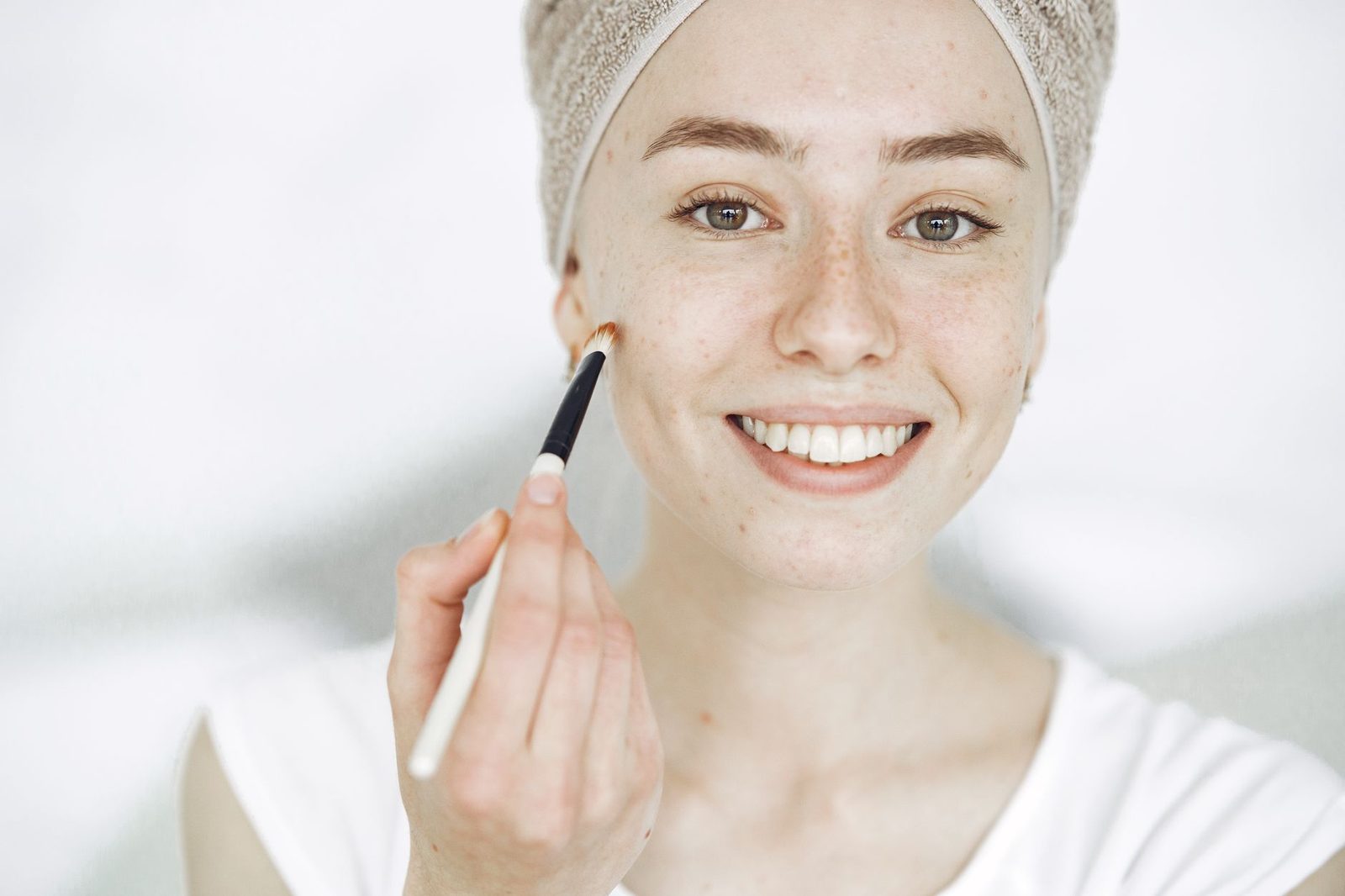
Walk down any Indian chemist's hair-care aisle and you'll find collagen powders and biotin tablets sitting side by side, both promising thicker hair. They are nothing alike. Biotin is a B-vitamin that fixes hair loss only when a specific deficiency is causing it [1]; collagen is a structural protein with strong trial data for skin and joints, and much thinner data for hair itself [4][5]. Choosing wrong wastes three to six months and a few thousand rupees. Here's how each actually works, what the evidence grades really say, and which one fits your situation.
Two supplements, two completely different jobs
| Collagen | Biotin (vitamin B7) | |
|---|---|---|
| What it is | Structural protein - ~30% of all body protein, 70-80% of skin's dry weight | Water-soluble B-vitamin, cofactor for 5 energy-metabolism enzymes |
| How it works for hair | Digested into small peptides (Pro-Hyp, Hyp-Gly) that reach tissues within 1-2 hours, supplying amino-acid building blocks and signalling fibroblasts | Enables fatty-acid synthesis that keeps the hair follicle and scalp barrier functioning; corrects deficiency-related shedding |
| Where trial evidence is strong | Skin hydration/elasticity (meta-analyses of 19+ RCTs), knee osteoarthritis pain [4][5] | Confirmed biotin deficiency - hair, nails and rash all resolve [1] |
| Where it's oversold | Direct hair-regrowth claims | "Grows hair faster" in people with normal levels - no controlled trial supports it [1] |
That last row is the whole story. Neither bottle is a general hair-growth accelerator, and marketing that promises one is selling past the data.
What the evidence shows for biotin
Strong where the cause is deficiency, weak everywhere else - the review of 18 clinical reports put it plainly: every case of measurable hair improvement happened in people with documented biotin deficiency or an inherited metabolic defect, never in healthy individuals [1].
Who is actually deficient? When researchers measured 541 women presenting with diffuse hair loss, roughly one in three had biochemical biotin deficiency - often linked to altered gut flora or long-term antiepileptic use [2]. Those are the people a biotin bottle genuinely helps. Deficiency risk climbs with pregnancy, prolonged antibiotics, dialysis, heavy alcohol use, smoking, and the gym habit of drinking raw egg whites - avidin in uncooked white binds biotin irreversibly; cooking destroys it [6].
Evidence grade for diffuse hair loss with normal biotin status: C. No controlled trials [1]. If your thinning is genetic pattern loss or post-fever shedding, biotin is unlikely to change the trajectory - iron, vitamin D, thyroid and plain protein intake explain more unexplained cases than biotin does.
Dosing follows the same split. Maintenance is micrograms - the ICMR-NIN adequate intake is just 40 mcg/day, which a mixed Indian diet of peanuts, cooked eggs, soy, curd and seeds largely covers [6]. Correcting confirmed deficiency takes milligrams: protocols run 5-10 mg/day for 4-12 weeks under supervision [6]. Note the 100-fold gap between those numbers next time a label shouts its megadose.
Check price: YourHappyLife Reglow Marine Collagen Peptide powder on Amazon.in →
What the evidence shows for collagen
Honest grading first: the Grade-A data belongs to skin and joints, not hair. Two meta-analyses - 19 RCTs and 26 RCTs combined - found hydrolyzed peptides improved skin hydration, elasticity, and wrinkle measures at 2.5-10 g/day over 8-12 weeks [4]. For knees, 40 mg/day of undenatured type II collagen beat glucosamine-chondroitin on osteoarthritis pain scores in multicentre trials [5].
Hair-specific evidence is thinner than the marketing suggests. The plausible logic: hair is protein, Indian diets average well below protein targets with lysine-poor, cereal-heavy plates, and collagen delivers glycine, proline, and hydroxyproline your body can't efficiently self-supply. Peptides do reach follicle-surrounding tissue in 1-2 hours. But no large placebo-controlled trial has yet measured hair-count outcomes against biotin's deficiency data - so any "proven for hair" label is ahead of the science. Treat collagen as a protein-quality upgrade whose visible wins are usually skin-first, with hair a reasonable secondary bet if your diet is protein-poor.
Browse budget options on Amazon.in →
The biotin warning nobody mentions until it matters
This applies even in the collagen-vs-biotin debate, because many "hair combo" products pack high-dose biotin. Hospital labs run thyroid, hormone and cardiac tests using streptavidin-biotin chemistry, and circulating supplement biotin distorts them [3]. At 1-5 mg daily doses:
- Cardiac troponin reads falsely low - an ER heart attack can be missed [3]
- TSH drops while free T4/T3 rise, mimicking overactive thyroid and inviting wrong treatment [3]
- PTH, cortisol, ferritin, NT-proBNP and hCG also distort [3]
Two rules: stop all biotin 48-72 hours before any blood test - annual health check included - and tell emergency staff immediately if you take biotin and land up with chest pain [3]. Collagen has no such interference issue.
Can you take both? Who should take which?
Yes - they don't compete. Biotin works through enzyme chemistry, collagen through peptide supply; taken together neither blocks the other, though separate biotin from high-dose B5 or alpha-lipoic acid by 2-4 hours (shared gut transporter) [6].
| Your situation | Better choice |
|---|---|
| Diffuse shedding + brittle nails, restricted diet, pregnancy, raw-egg habit | Biotin - test first (serum biotin at major labs), then replete [2][6] |
| Protein-poor diet (vegetarian, low dal/paneer intake), skin goals alongside hair | Collagen peptides 2.5-10 g/day, 8-12 weeks [4] |
| Knee/joint pain driving your purchase | UC-II 40 mg/day - hair benefit incidental [5] |
| Genetic pattern thinning or post-fever telogen shedding | Neither fixes the cause; see a dermatologist |
One India-specific check when buying either: prefer marine (Halal-friendly) or avian collagen sources over bovine where that matters to you, and look for HPMC vegetarian capsules rather than gelatin shells.
Take the free Supplement Matching Test →
Verdict
If a test shows deficiency, biotin is the evidence-backed fix - full stop [1][2]. For everyone else, collagen has the stronger clinical file overall (Grade A for skin and joints) but only indirect support for hair, while biotin in normal-status alopecia sits at Grade C [1]. Most people chasing thicker hair would get more from fixing total protein, iron, vitamin D, and thyroid status first - then adding either bottle as a targeted tool, not a magic one.
FAQ
Biotin ya collagen - baal ke liye kya better?
Depend karta hai baal jhadne ki wajah par. Agar blood test mein biotin deficiency hai
- jo diffuse hair loss walon mein lagbhag ek-tihai women mein hoti hai - tab biotin evidence-backed ilaaj hai [1][2]. Agar levels normal hain, biotin se tez baal nahi ugenge (Grade C evidence). Collagen ka trial record skin aur joints ke liye strong hai; hair ke liye direct proof abhi patla hai. Best pehla kadam: test karwao, protein aur iron/vitamin D status check karao, phir choose karo.
How long before I see results?
Biotin for confirmed deficiency: 4-12 weeks of 5-10 mg/day under supervision, with nails often improving first [6]. Collagen: judge at 8-12 weeks against its skin outcomes - that's the timeline trials actually used [4]. If six months passes with nothing measurable on either, the cause was likely never these nutrients.
Is collagen just expensive protein powder?
Partly true. It's an incomplete protein nutritionally, but its value isn't the grams - it's the glycine-proline-hydroxyproline profile and signalling dipeptides that whey or soy don't match. If your total protein intake already hits target, extra benefit for hair is unproven.
Do I need to stop collagen before surgery or blood tests?
No known interference with lab assays or clotting - unlike biotin, which must pause 48-72 hours pre-test [3]. Standard surgical advice applies anyway: list every supplement at your pre-op review.