
Curcumin Benefits: Haldi's Active Compound, Evidence Graded
Turmeric vs curcumin extract, the absorption problem piperine solves, honest evidence grades for joints and inflammation, doses used in trials.
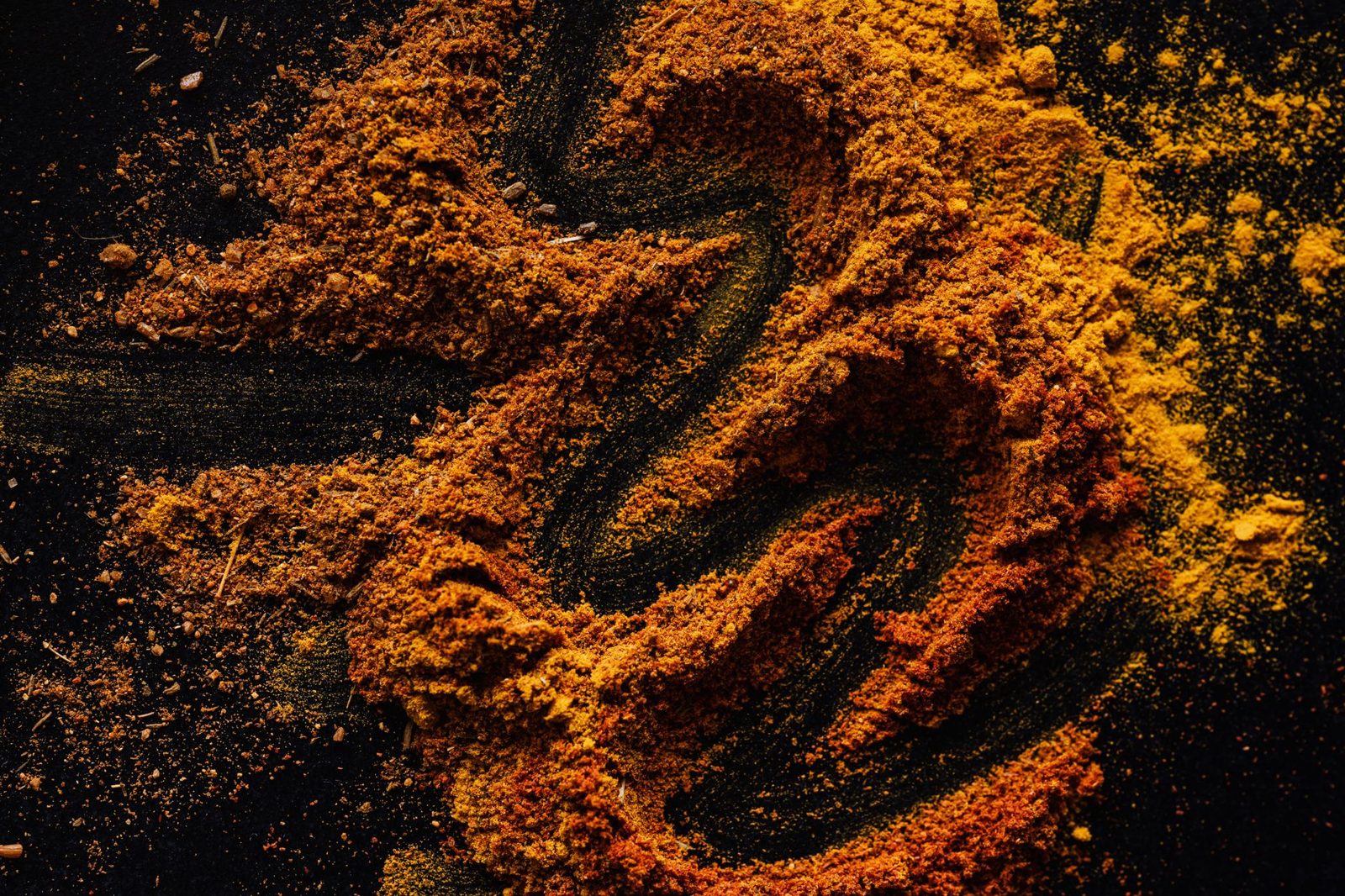
Every Indian kitchen runs on haldi, so the question isn't whether turmeric is familiar - it's whether the concentrated extract inside supplements does anything your daily tadka doesn't. The short answer from clinical research: standardized curcumin (turmeric's active curcuminoid fraction) has genuine trial evidence for joint comfort and inflammation markers, with one giant catch - almost none of it survives digestion unless you outsmart absorption [2]. Here's what the trials actually show, graded honestly.
What is the difference between turmeric and curcumin?
Turmeric is the root; curcuminoids are its active compounds - roughly 3-5% of the raw spice, dominated by curcumin (~77% of the extract), plus demethoxycurcumin and bisdemethoxycurcumin [4]. A standardized "95% curcuminoids" capsule concentrates what your dosa would deliver in grams into milligrams. Your kitchen haldi still contributes - but a 1,000 mg standard extract carries the curcuminoid load of several heaped spoons of powder, without the volume.
Does curcumin actually help joints?
This is the best-evidenced use. Randomized trials in mild-to-moderate knee osteoarthritis found standardized curcuminoid extracts improved pain, stiffness, and physical function over 8-12 weeks [3][5] - one trial comparing curcumin against ibuprofen found comparable relief with fewer stomach complaints [3]. A systematic review pooling arthritis trials concluded curcumin extracts show consistent symptom improvement [5].
Honest scoping: these are symptom-support trials in osteoarthritis, not disease modification. "Helps joint comfort" is supported; anything promising cartilage regrowth is marketing.
Why absorption is everything (and how piperine fixes it)
Plain curcumin is famously badly absorbed - most passes through unmetabolized. Three proven workarounds appear across the trial literature:
| Strategy | How it works | Evidence |
|---|---|---|
| Piperine (black pepper extract) | Blocks the liver enzyme that clears curcumin | Used in successful OA trials [4] |
| Micellar / liquid formulations | Pre-dissolved delivery | ~20-fold higher uptake vs normal powder in human pharmacokinetics [2] |
| Fat-meal timing | Curcumin is fat-soluble | Standard practice across trials |
A curcumin capsule swallowed with black coffee on an empty stomach is mostly expensive urine. With meals, with pepper or a micellar format - that's what the evidence base used.
How much curcumin should you take per day?
Trial protocols to match:
| Goal | Dose used in research | Duration |
|---|---|---|
| Joint support | 500 mg standardized curcuminoids + piperine, twice daily with meals | 8-12 weeks [3][4] |
| Alternative (unenhanced) | 1,500 mg/day in divided doses | 6-8 weeks |
| Maintenance | 500-1,000 mg/day enhanced form | Ongoing |
Effects build over weeks - expect nothing at day three.
Side effects and who should be careful
Curcumin is well tolerated in trials - mild GI upset is the main complaint. But there are real interactions worth respecting:
- Blood thinners (warfarin, aspirin, clopidogrel): curcumin mildly inhibits platelet aggregation - combining them needs doctor sign-off
- Gallbladder issues: can stimulate bile; avoid with bile-duct obstruction
- Pre-surgery: stop 2 weeks before (bleeding-time caution)
- Pregnancy: culinary amounts fine; concentrated extracts lack safety data
Which curcumin supplement is best in India?
- Standardization matters - look for "95% curcuminoids" on the label, not just "turmeric 500 mg"
- Enhanced absorption built in - piperine pairings or micellar formats match trial designs [2][4]
- FSSAI license - baseline requirement
- Realistic price check: plain turmeric capsules cost little because they contain little
Browse top-rated options on Amazon.in →
Browse budget options on Amazon.in →
FAQ
Curcumin ke fayde kya hain?
Clinical trials mein standardized curcumin ne knee osteoarthritis ke pain aur stiffness mein 8-12 hafte mein improvement dikhaya [3][5]. Anti-inflammatory aur antioxidant action bhi hai. Lekin absorption bahut kam hai - piperine (kali mirch) ke saath lena zaroori hai [2]. Ye joint comfort support hai, koi ilaaj nahi.
Kya haldi khane se kaam nahi chalega?
Daily haldi contributes curcuminoids, just at tiny doses with poor absorption. For general wellness through food, enjoy it - that's how India has always used it. For the doses clinical trials tested (500-1,000 mg standardized extract), supplementation is the practical route.
Can I take curcumin with my blood pressure or thyroid medicines?
Blood pressure medicines generally combine fine, but curcumin adds mild blood-thinning activity - if you're on warfarin, aspirin, clopidogrel, or similar, talk to your doctor before starting. Spacing from thyroid medication by a few hours is sensible since curcumin can affect absorption of some drugs.
How long before curcumin starts working?
Joint-comfort trials measured outcomes at 8-12 weeks [3][4]. If nothing has changed after three months of consistent use with meals, it's probably not going to - reassess rather than doubling the dose.
Take the free Supplement Matching Test →
Not sure which supplements deserve a spot in your routine? Our free Supplement Matching Test scores all 32 against your diet, goals, and health profile - about two minutes.