
Fish Oil vs Flaxseed Oil Omega 3: What Works
Flaxseed gives ALA, which your body converts to EPA at under 10% and DHA at under 1%. Here's what that means for your omega 3 choice, plus the algal oil option.
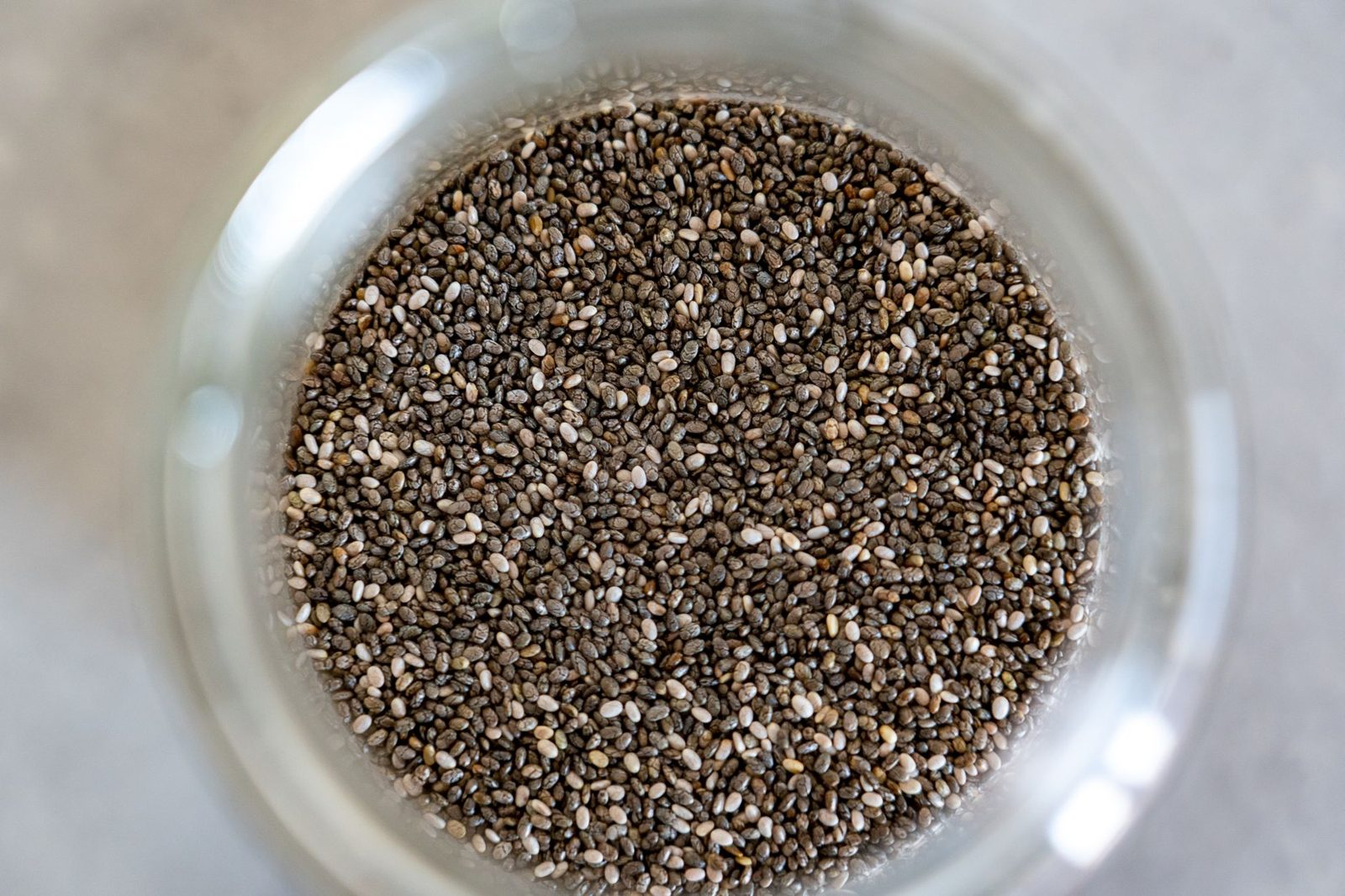
Walk into any Indian pharmacy and you'll find two very different bottles claiming to be "omega 3": fish oil capsules on one shelf, flaxseed oil on another, often at wildly different prices. They are not interchangeable, and the difference decides whether your money actually fixes anything. "Omega 3" is a family name - fish oil delivers preformed EPA and DHA, the two fats behind nearly every proven benefit, while flaxseed delivers ALA, which your body must convert and mostly fails to [2]. That conversion problem is the whole story of this comparison.
First, understand: omega-3 is a family, not one nutrient
Three members matter here:
- ALA (alpha-linolenic acid) - the short-chain plant form. Found in flaxseed, chia, walnuts, mustard oil. Your body cannot make it, but it treats it mostly as fuel.
- EPA - the long-chain workhorse. Lowers triglycerides, calms inflammation, drives the mood and joint results seen in trials [3].
- DHA - the structural fat of your brain cortex and retina. Deficiency shows up as dry eyes, brittle nails, and mental fatigue long before any diagnosis [1].
Every headline benefit you've read about omega 3 - the heart-attack survival data, the triglyceride reductions, the joint and mood findings - was measured on EPA and DHA [3][4]. Flaxseed contains essentially none of either. It only helps if your body builds them itself, which brings us to the numbers most brands hope you never check.
The ALA conversion problem, in actual numbers
Human tracer studies tracked what happens to labelled ALA after people eat it [2]:
|| Conversion step | Healthy adult men | Women of childbearing age | Practical meaning | || --- | --- | --- | --- | || ALA → EPA | ~5-8% | up to ~21% | Most ALA gets burned for energy instead | || ALA → DHA | under 1% | under 1% | Effectively negligible for everyone |
Two things make this worse in Indian kitchens. First, the conversion enzyme (Δ-6 desaturase) is shared between the omega-3 and omega-6 pathways; refined seed oils like sunflower and soybean flood the body with linoleic acid that competitively jams it. Urban Indian diets run an omega-6:omega-3 ratio of 20:1 to 50:1 against the 3-5:1 that ICMR-NIN recommends, so real-world conversion sits below even those lab figures. Second, this is not a marginal gap: India measures among the lowest national blood omega-3 levels recorded, with typical Omega-3 Index values under 4% versus the 8% considered cardioprotective [1][5].
To get the 250-500 mg daily EPA+DHA that covers baseline needs through flaxseed alone, you would need several tablespoons of flaxseed oil every day - and still fall short on DHA, because no amount of ALA reliably produces it [2].
Head-to-head: fish oil vs flaxseed oil
| Factor | Fish oil (TG/rTG forms) | Flaxseed oil (ALA) |
|---|---|---|
| Omega-3 type delivered | Preformed EPA + DHA directly | ALA only - needs conversion |
| EPA+DHA per serving | 300-600+ mg per standard capsule | 0 mg; <10% of ALA becomes EPA, <1% DHA [2] |
| Evidence strength (heart, brain, joints) | Strong - landmark trials at 1-4 g/day [3][4] | Indirect; no outcome trials on its own |
| Suitability for vegetarians | No (marine source, gelatin shells common) | Yes - fully plant-based |
| Contamination risk | Trace heavy metals/PCBs in cheap oils; solved by third-party testing | Minimal; main risk is rancidity from heat and light |
| Cost per mg of usable omega-3 | Low - best value per rupee | Deceptively cheap per bottle, expensive per useful mg |
| Bonus nutrition | None meaningful at capsule doses | Fine culinary oil; whole flaxseed adds fibre and lignans |
That last row deserves honesty: flaxseed is a genuinely healthy food. Ground flaxseed and walnuts earn their place in the diet. The error is treating them as an EPA/DHA supplement - they cannot correct the deficiency most Indian adults carry [1].
So who genuinely needs fish oil?
Fish oil is the right call if you tick any of these:
- You eat fish rarely or never, whatever the reason - supply, taste, or city living. Under 10 g of fish per capita per day is the Indian average outside coastal regions [1].
- You have elevated triglycerides or heart-risk markers. The trial evidence that moved cardiac outcomes - GISSI's 20% mortality reduction, REDUCE-IT's 25% event reduction - came from grams of preformed EPA/DHA daily, not plant seeds [3][4].
- You want measurable results within months. Blood omega-3 levels track intake of preformed EPA/DHA closely; ALA barely moves them [2][5].
And who is genuinely fine without it? If you eat sardines (mathi), mackerel (bangda), or hilsa two or three times a week - steamed or curried, not deep-fried - food alone can cover baseline needs. If you're already healthy with an oily-fish habit, adding capsules buys little extra. Note that popular farmed carp like rohu and catla don't count; they carry under 200 mg EPA+DHA per 100 g, a fraction of what marine fish provide.
The third option: algal oil, built for India
Here is where the comparison gets interesting for a country that's roughly 39% vegetarian. Algal oil - EPA and DHA grown from marine microalgae in fermentation tanks, no fish ever involved - is bioequivalent to fish oil: studies show matching blood incorporation when dosed at the same elemental EPA+DHA. You get the direct delivery of fish oil with none of its dietary conflicts.
It costs more per capsule than fish oil, typically ₹800-1,800 monthly for a solid 300 mg EPA+DHA dose versus ₹400-900 for comparable fish oil.
But for vegetarians, vegans, anyone allergic to fish, and households that won't cook it, that premium is not a markup on vanity - it is the only way to buy actual EPA and DHA. Flaxseed cannot play this role at any price.
One India-specific trap: many softgel shells are bovine gelatin. Check the label for HPMC or plant-cellulose capsules and the green vegetarian dot, or your "veg" omega-3 isn't one.
Verdict: match the source to your goal and plate
| Your situation | Best choice | Why |
|---|---|---|
| Non-vegetarian, general health | Fish oil | Direct EPA/DHA, best value per rupee |
| Vegetarian or vegan, any goal | Algal oil | Only veg source of preformed EPA/DHA; bioequivalent to fish oil |
| Heart risk or high triglycerides | Fish or algal oil, 2-4 g/day with medical advice | Outcome-trial evidence exists only for preformed EPA/DHA [3][4] |
| Pregnancy support | Algal or fish oil (DHA-leaning), doctor-guided | DHA demands rise sharply; ALA doesn't meet them [2] |
| Culinary use, fibre, overall diet quality | Ground flaxseed, chia, walnuts | Keep them - just don't count them toward EPA/DHA |
| "I just want cheaper flaxseed because it's natural" | Reconsider | Natural ≠ equivalent; the conversion math doesn't close [2] |
Whichever bottle you pick, dose by the back panel, not the front: elemental EPA+DHA per serving, taken with your largest meal for absorption.
Browse top-rated options on Amazon.in →
Browse budget options on Amazon.in →
Not sure which side of this comparison fits your diet and goals? Our free Supplement Matching Test scores all 32 supplements against what you actually eat and where your numbers stand - takes two minutes.
Take the free Supplement Matching Test →
For the full picture on doses, timing, and safety ceilings, see our detailed guide to omega 3 benefits.
FAQ
Can I just eat flaxseed instead of taking fish oil capsules?
For fibre and general diet quality, yes. For EPA and DHA, no - conversion runs below 10% to EPA and under 1% to DHA in human studies, and seed-oil-heavy Indian diets push it lower still [2]. If you're vegetarian, algal oil fills the gap; flaxseed alone does not.
Flaxseed se omega-3 mil jata hai kya?
Thoda milta hai, lekin kaafi kam. Flaxseed mein ALA hota hai jo body sirf 5-8% tak EPA mein convert karti hai, aur DHA mein to 1% se bhi kam [2]. Matlab dil, dimaag aur joints ke liye jo EPA-DHA chahiye, wo flaxseed se pura nahi hota. Alsi achha food hai - fibre aur lignans ke liye khate rahiye - lekin omega-3 ki kami door karne ke liye fish oil ya phir vegetarians ke liye algal oil lena padega. Khane ke saath roz lena sabse effective hai.
Is algal oil really as good as fish oil?
On the metric that matters - raising blood and membrane EPA+DHA - yes, head-to-head dosing studies show equivalent incorporation, and it carries no fish-allergy risk [2][5]. The trade-offs are price (roughly double per mg) and fewer high-dose products in India, so therapeutic 2-4 g/day protocols usually still mean fish oil under a doctor's supervision.
How much fish oil should I take daily?
250-500 mg combined EPA+DHA covers general maintenance; anti-inflammatory or brain-focused goals run 1,000-2,000 mg with an EPA-heavy ratio; triglyceride-lowering protocols go to 2,000-4,000 mg under medical supervision. Read labels in elemental EPA+DHA - a "1000 mg fish oil" capsule often hides only 300 mg of active fats. Upper limits sit at 3 g/day (US FDA OTC guidance) and 5 g/day (EFSA).