
Lutein & Zeaxanthin for Eye Health: Benefits & Side Effects
Do lutein and zeaxanthin really help screen-tired eyes? What AREDS2 proved, Indian food sources, right dosage, side effects, and who benefits.
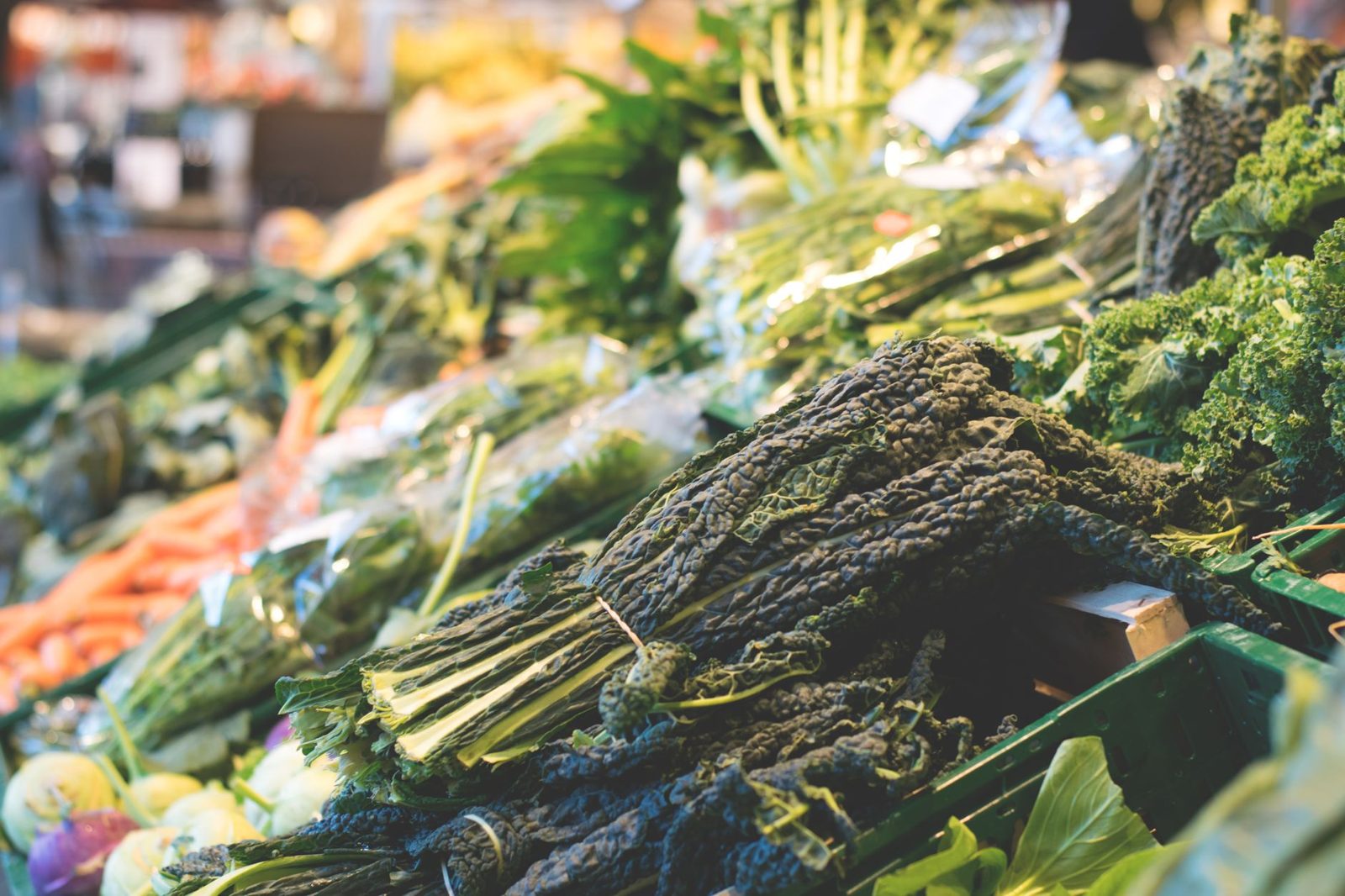
If your eyes feel dry and gritty after another eight-hour day on the laptop, the supplement aisle already has a suggestion for you: eye-health stacks built around lutein and zeaxanthin. Unlike most "eye vitamins", these two carotenoids are genuinely concentrated by your retina into a protective pigment, and they are the only supplements with landmark clinical-trial evidence in ophthalmology [1]. But that evidence is narrower than marketing suggests - it covers a disease most young screen users do not have. Here is what lutein and zeaxanthin actually do, what the trials prove, what they merely suggest, and how an Indian diet fits in.
What do lutein and zeaxanthin actually do?
Both are xanthophyll carotenoids - yellow plant pigments that humans cannot make. Your body selectively transports them into the macula, the small central patch of retina responsible for sharp, straight-ahead vision. Deposited there, they form macular pigment, which does two jobs [5]:
- Optical filter - it absorbs short-wavelength blue light before it reaches the delicate photoreceptors beneath it. This is the famous "internal blue-light filter" idea, and the physics is real: higher macular pigment measurably improves how the eye handles glare and recovers from bright light [3].
- Antioxidant shield - the macula has among the highest metabolic demands in the body; carotenoids quench the reactive molecules that chronic light exposure generates there.
Zeaxanthin concentrates at the fovea dead-centre; lutein dominates the surrounding zone. Neither converts to vitamin A or helps night blindness - that is vitamin A's job entirely.
The honest evidence: strong for one disease
| Claim | Evidence grade | What trials show |
|---|---|---|
| Slows progression of intermediate age-related macular degeneration (AMD) | Strong | In AREDS2, 10 mg lutein + 2 mg zeaxanthin added to the standard formula cut progression to advanced AMD versus no carotenoid; benefit confirmed at 10-year follow-up [1][2] |
| Lower AMD risk with higher dietary intake | Moderate | Meta-analysis of cohort studies finds lower advanced-AMD risk at higher intakes [5] |
| Better glare recovery, contrast, photostress recovery | Moderate | Small RCTs show improved visual performance under glare within 4-6 months [3] |
| Less digital eye strain and headache frequency | Emerging | One 6-month RCT in high screen-time adults found reduced visual fatigue and headaches [4]; larger confirmation trials are lacking |
| "Reverses weak eyesight" / cures eye damage | None | No trial supports reversing refractive error or existing retinal damage |
Read the fine print on AREDS2 itself: it enrolled people who already had intermediate AMD
- a diagnosed retinal disease usually after age 60 [1]. If your eyes are merely tired from screens, you are not taking an evidence-backed medicine for your problem; you are taking a nutrient that builds macular pigment, with plausible but unproven comfort benefits [4]. Anyone selling lutein as a screen-damage cure is overselling the data.
Food sources first: the Indian plate
Before capsules, the grocery basket. Average Indian intakes of lutein and zeaxanthin fall below the levels associated with retinal protection in trials - largely because leafy greens are overcooked, meals are low in fat, and polished rice displaces vegetables. A 100 g serving of palak cooked with a teaspoon of oil or ghee delivers roughly the lutein content of a daily supplement capsule.
| Source (local name) | Lutein + zeaxanthin (approx.) | Notes |
|---|---|---|
| Palak (spinach) | 7-13 mg per 100 g raw | Light steaming releases pigment better than long boiling |
| Methi (fenugreek leaves) | 7-12 mg per 100 g | Cook with some oil for absorption |
| Sarson (mustard greens) | 6-11 mg per 100 g | Sarson ka saag with ghee is accidentally perfect biochemistry |
| Chaulai (amaranth leaves) | 4-8 mg per 100 g | Cheap, widely available across India |
| Murungai keerai (moringa leaves) | Very high | Sun-drying degrades carotenoids; use fresh |
| Makai (yellow corn) | 0.5-2.5 mg per 100 g | Richest common zeaxanthin source among grains |
| Egg yolk | ~0.3 mg per yolk | Small quantity but absorbed several times better - pigments arrive pre-emulsified in fat |
(Values vary by variety and season; treat ranges as indicative.) Two cooking rules matter more than any single vegetable: do not boil greens to grey - light steaming preserves carotenoids - and always eat them with some fat, because without it absorption collapses.
Lutein and zeaxanthin dosage: how much per day?
No ICMR-NIN RDA exists; these doses come from clinical practice and trials:
| Goal | Lutein/day | Zeaxanthin/day | Notes |
|---|---|---|---|
| General maintenance | 6-10 mg | 2 mg | Standard supplement dose |
| AREDS2 protocol (intermediate AMD, doctor-advised) | 10 mg | 2 mg | The studied formulation [1] |
| Upper comfortable range | Up to 20 mg short-term | - | Trialed without safety signals; chronic megadoses unnecessary |
- Take it with your largest meal, and that meal should contain fat (dal tadka with ghee, paneer, eggs all count). Absorption is poor on an empty stomach.
- Vegetarians: marigold-derived lutein is plant-based, but many softgel shells are bovine gelatin. Look for HPMC/pullulan vegetarian capsules.
- Skip high-dose beta-carotene supplements alongside it - AREDS2 removed beta-carotene because it raised lung-cancer risk in smokers; lutein was its safe replacement [1][2].
Browse top-rated options on Amazon.in →
Side effects and safety
Lutein and zeaxanthin have an exceptionally clean safety record at standard doses:
- Common effects: mild nausea or loose stools if oil-based softgels are taken on an empty stomach; take with food.
- Carotenodermia: only at chronically very high doses (well above supplement range) can skin take a yellow-orange tint on palms and soles. Harmless, fully reversible, distinct from jaundice - the whites of the eyes stay white.
- Allergies: rare hypersensitivity to marigold (Tagetes erecta) extract is possible.
- Interactions: bile-acid sequestrants (cholestyramine, colestipol) and orlistat block absorption - separate dosing by 4+ hours. No blood-thinner interaction.
- Pregnancy: food sources are ideal; stick to standard doses rather than megadoses unless a doctor is supervising.
Red-flag symptoms - sudden wavy lines, a dark central spot, flashes or a shower of floaters - mean see an ophthalmologist this week. No capsule substitutes for that visit.
Who genuinely benefits most?
Honest prioritisation, since most healthy 25-year-olds do not need a pill:
- Diagnosed intermediate AMD - clear, trial-proven benefit; take the AREDS2 formulation under ophthalmologist advice [1][2].
- Family history of AMD, especially smokers and former smokers - prevention is plausible; diet first, then discuss supplementation.
- Long-hours screen users with persistent eye strain - reasonable low-risk trial of 10/2 mg for 3-6 months; expect modest comfort gains at best [4].
- People who cannot eat leafy greens regularly - low dietary intake is the one situation where a maintenance dose clearly beats nothing.
- Everyone else - palak twice a week plus an egg does the job without a subscription.
Buying guide: free vs esterified forms, and reading labels
| Feature | What to look for |
|---|---|
| Form | Free (unesterified) lutein absorbs faster; esters work equally in healthy guts but slower |
| Delivery | Microencapsulated beadlets or oil suspensions absorb best |
| Ratio | 5:1 lutein:zeaxanthin (10 mg + 2 mg) matches trials |
| Capsule shell | HPMC/pullulan if vegetarian |
| Price check | Compare cost per 10 mg lutein, not per capsule |
Browse budget options on Amazon.in →
Not sure whether your stack needs this at all? Take the free Supplement Matching Test and get a personalised read on all 32 supplements against your diet and goals.
Take the free Supplement Matching Test →
FAQ
Aankhon ke liye lutein khana chahiye ya supplement?
Agar aap regularly palak, methi ya ande khaate hain, to khana kaafi hai - fat ke saath absorption better hoti hai, isliye tadke mein banao [5]. Supplement tab sochein jab age 50+ ho, family history mein AMD ho, ya leafy greens diet mein almost na ho. Evidence-based dose: 10 mg lutein + 2 mg zeaxanthin [1].
Is lutein good for eyes from mobile and laptop screens?
It helps with one measurable thing - macular pigment, which improves glare tolerance and contrast [3][4]. It will not undo strain caused by reduced blinking, dryness, or poor ergonomics. The 20-20-20 rule and a proper eye checkup still come first.
How long before lutein starts working?
Macular pigment rises over weeks to months. Visual-performance trials typically run 4-6 months before measuring benefits [3][4]; give any honest trial at least three months.
Can I get enough from food alone, or do I need a capsule?
Possibly food alone, yes. Regular palak, methi, or sarson with visible fat in the pan covers most needs. Supplements make sense when greens rarely reach your plate, or a doctor has advised the AREDS2 protocol for intermediate AMD [1].
Are lutein and zeaxanthin safe long term?
At 10 mg + 2 mg daily, trials up to ten years show no significant toxicity [1][2]. EFSA's acceptable intake sits far above supplement doses. The main real-world downsides are spending money on a benefit you may not need, and mild stomach upset if taken on an empty stomach.