
Vitamin C Benefits: What It Actually Does (Evidence-Based)
What vitamin C actually does: collagen, iron absorption and immunity explained with real evidence. Plus how much you need daily and best Indian food sources.
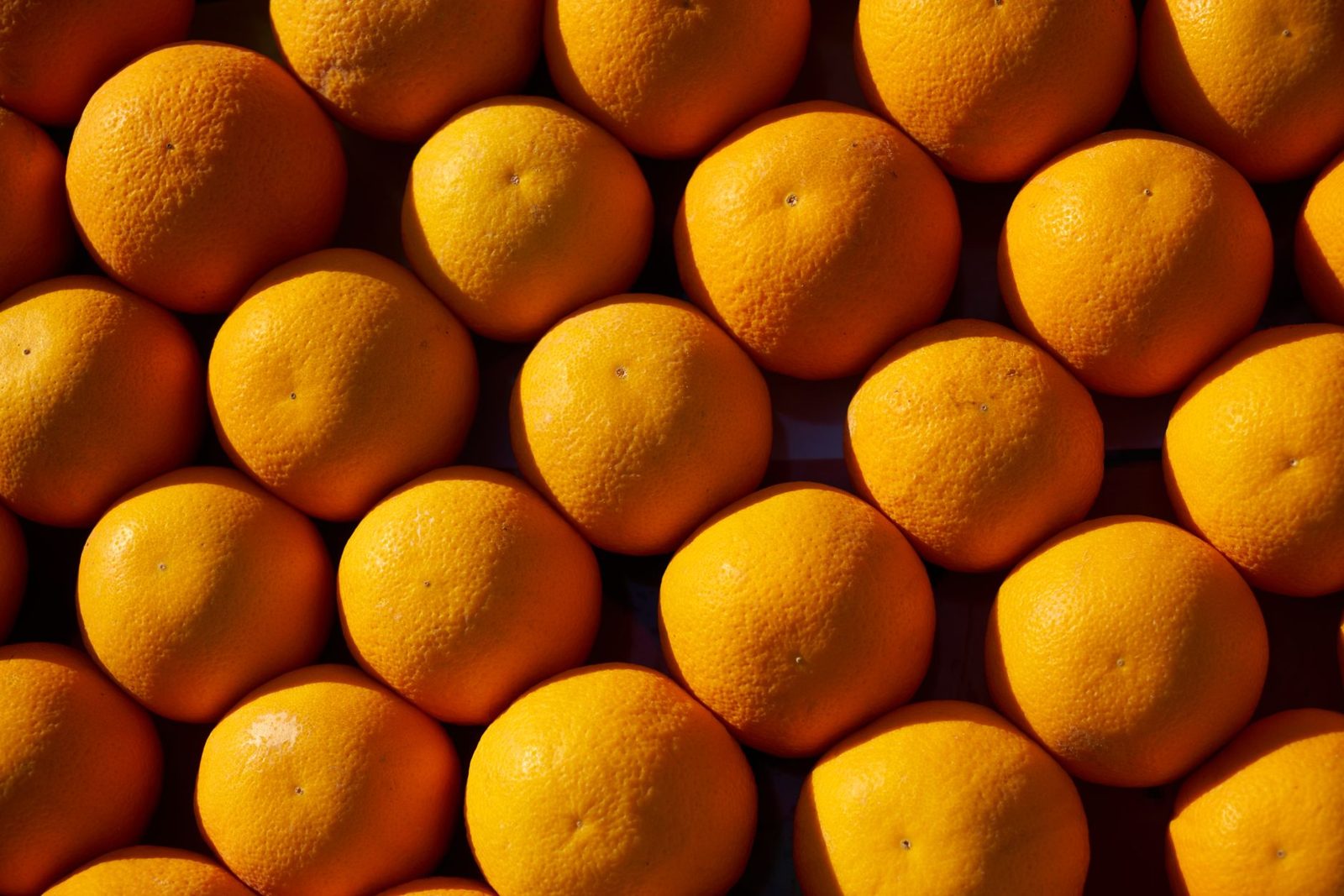
Vitamin C is the most familiar supplement in India - and the most misunderstood. It sits in almost every kitchen (nimbu, amla, santra) and in almost every medicine cabinet, yet most people can't say what it actually does beyond "immunity". The reality is more interesting: vitamin C is a construction material for collagen [2], the switch that unlocks iron from plant foods [3], and an antioxidant your body burns through faster under smoke, stress, and infection [1].
The deficiency numbers explain why this matters here: in one large population study of older Indian adults, 73.9% of participants in North India and 45.7% in South India had biochemically low vitamin C status [1]. This guide covers what the evidence says vitamin C genuinely does, whether it prevents colds, how much you need per day, and when supplements beat food.
What does vitamin C actually do?
Vitamin C (ascorbic acid) works in the body through three well-documented jobs:
1. Collagen cofactor. Your body can't build stable collagen without it. Vitamin C donates electrons to the enzymes (prolyl and lysyl hydroxylases) that lock collagen's triple-helix structure into place - the protein that holds together skin, blood vessels, gums, bones, and healing wounds. This is why severe deficiency shows up as bleeding gums, poor wound healing, and easy bruising: the classic signs of scurvy.
2. Iron absorption booster. Vitamin C is the single most potent promoter of non-heme iron absorption - the type of iron in dals, grains, and vegetables that Indian diets rely on almost exclusively [3]. It converts insoluble ferric iron (Fe³⁺) into soluble ferrous iron (Fe²⁺), forms a chelate that stays absorbable, and shields that iron from phytates and tannins in tea, coffee, and whole grains that would otherwise block uptake [3]. Critically, the effect only happens when both are eaten at the same meal.
3. Antioxidant and immune support. Ascorbate neutralizes free radicals in the watery compartments of cells and regenerates used-up vitamin E back to its active form. Immune cells concentrate vitamin C to high levels and use it during their respiratory burst against pathogens; low status impairs several immune functions.
Because humans lost the ability to synthesize vitamin C somewhere in our evolutionary history, there's no internal backup - whatever you don't eat today, you don't have tomorrow. The body keeps only a small pool, and it drains within weeks of poor intake.
Does vitamin C prevent colds?
Here's the honest answer, from a Cochrane review of dozens of trials covering over 11,000 participants: for the general population, regular vitamin C supplementation does not prevent catching colds [2]. Taking 1,000+ mg daily doesn't keep infections away if you're already replete.
What regular supplementation does do:
| Claim | Evidence |
|---|---|
| Prevents colds in well-nourished people | Not supported [2] |
| Shortens cold duration | Yes - ~8% shorter in adults, ~14% in children [2] |
| Reduces severity while sick | Modest, consistent effect [2] |
| Prevents colds after extreme physical stress (marathons, ski troops, military training) | Roughly halves incidence [2] |
So the practical framing: if you're already deficient, correcting that deficiency supports normal immune function. If you're replete, megadoses won't create super-immunity - they'll mostly shorten your next cold by a few hours. The exception worth knowing: heavy physical stress (think marathon training or hard military exercise) reliably raises benefit.
How much vitamin C per day?
Indian guidelines (ICMR-NIN 2020) set the daily requirement lower than US labels suggest:
| Group | RDA per day |
|---|---|
| Adult men | 80 mg |
| Adult women | 65 mg |
| Pregnancy | 80 mg |
| Lactation | 115 mg |
| Smokers / tobacco users | +35 mg over baseline |
For context, one amla or one guava covers a full day. The upper limit is 2,000 mg/day - beyond that, benefits don't increase but side effects do (more on that below).
Why more isn't better: intestinal absorption of vitamin C is saturable. At normal intakes your gut absorbs 70-90% of what you eat, but a single 1,000 mg dose gets only about half absorbed, and the rest simply isn't taken up [2]. Your kidneys then discard whatever exceeds the saturation threshold within hours [2]. This is why split doses beat one megadose, and why 500 mg supplements are already generous - roughly six times an adult woman's daily need.
Vitamin C foods vs supplements
Food first - and in India, that's easy. The paradox of our diets is that vitamin C-rich produce is everywhere while deficiency stays widespread [1], because prolonged boiling, high-heat frying (tadka-style tempering), and discarding cooking water destroy 50-90% of the vitamin C in vegetables.
Best Indian sources per 100 g:
- Amla - 600-700 mg, the richest natural source; its tannins also protect the vitamin from oxidation. Raw, as chutney, or juice.
- Guava (amrood) - ~228 mg. One fruit = several days' worth.
- Green chillies - meaningful amounts when eaten raw; destroyed by frying.
- Drumstick leaves (moringa) - good amounts; add near the end of cooking.
- Citrus (nimbu, mosambi, santra) - ~53 mg per 100 g. Squeeze lemon over dal or sabzi right before eating.
- Sprouted moong/chana - germination multiplies vitamin C content several-fold.
Two India-specific reasons to protect your intake:
- Anemia. Most dietary iron in India is non-heme iron from plants, and phytates plus tannins (heavy tea/coffee consumption) block much of its absorption. Adding vitamin C to the same meal - nimbu over dal, amla chutney with roti - measurably improves iron uptake [3], which matters given how widespread iron deficiency anemia is here.
- Smoke exposure. Chulha biomass smoke and tobacco both accelerate vitamin C turnover; smokers need an extra 35 mg/day just to break even.
When does a supplement make sense? If you rarely eat raw fruits and vegetables, cook vegetables until soft, smoke or live around kitchen smoke, or you're treating low iron alongside a doctor, a basic 250-500 mg supplement is a cheap, effective insurance policy.
Is vitamin C safe? Side effects and cautions
At food doses and moderate supplements, vitamin C is very well tolerated. Problems cluster around megadoses:
- Digestive upset. Doses above ~2,000 mg/day overwhelm intestinal absorption; the unabsorbed vitamin C pulls water into the gut, causing osmotic diarrhea, cramps, and gas.
- Kidney stones. Vitamin C is metabolized to oxalate, and high doses raise urinary oxalate. For people prone to calcium-oxalate kidney stones, high-dose supplementation is genuinely risky and should be avoided - this is the one hard caution for otherwise healthy adults.
- Iron overload conditions. In hereditary hemochromatosis or thalassemia major, extra vitamin C increases iron absorption and mobilization - avoid doses above the RDA entirely.
- G6PD deficiency. High-dose regimens (mainly IV) can trigger red-cell rupture in people with this enzyme deficiency; stick to normal dietary/supplement doses.
- Lab-test interference. Large doses can skew glucometer readings, urine glucose dipsticks, and stool occult-blood tests. Pause supplements 2-3 days before such tests.
- Rebound effect. Stopping months of megadosing abruptly can briefly lower vitamin C below baseline while your body recalibrates; taper instead.
Severe chronic kidney disease is another situation where high doses are contraindicated, since the kidney clears both oxalate and excess ascorbate. If you have any kidney condition or a history of stones, keep intake near the RDA from food and clear supplements with your doctor.
Forms & buying guide: which vitamin C supplement?
All mainstream forms work; pick on tolerance and price, not marketing:
| Form | What it is | Best for |
|---|---|---|
| Ascorbic acid | Plain, cheapest, most studied | Most people |
| Mineral ascorbates (sodium/calcium/magnesium) | Buffered, gentler on stomach | Acid reflux or nausea with plain ascorbic acid |
| Liposomal | Fat-vesicle encapsulated | Higher single doses with less GI upset |
| Amla-based / whole-food extracts | Ascorbate + natural bioflavonoids | Those who prefer natural sourcing |
Three checks before buying any vitamin C in India:
- Ignore "high-potency" labels. Anything above 500 mg per tablet wastes money - absorption drops off sharply past that point, and FSSAI-capped formulations rarely need to exceed it.
- FSSAI-approved supplement license on the label, and a third-party lab certificate if the brand publishes one.
- Skip the hype additives. Collagen "with vitamin C" combos, effervescent tablets loaded with sugar, and "immune booster" blends add cost without adding absorption. Amla-derived products are fine but should be priced like the commodity vitamin they mostly are.
Browse top-rated options on Amazon.in →
For daily use, a plain 500 mg ascorbic acid tablet taken with a meal is the value benchmark - everything fancier needs to justify its premium.
Browse budget options on Amazon.in →
The bottom line
Vitamin C won't stop you from catching the next cold going around your office, but it does three measurable jobs: builds collagen, unlocks iron from plant foods, and keeps antioxidant defenses stocked. Most Indian adults run below optimal levels [1] - fixing that costs one amla, one guava, or nimbu squeezed over your dal. Supplement only what your plate doesn't cover.
Take the free Supplement Matching Test →
FAQ
What are the main benefits of vitamin C?
Three stand out in human research: collagen synthesis (skin, gums, blood vessels, wound healing), enhanced non-heme iron absorption when eaten with plant-based meals [3], and antioxidant protection that regenerates vitamin E. Immune support is real but modest - think shorter colds [2], not cold-proof winters.
Kya vitamin C immunity badhata hai?
Vitamin C immune system ko support karta hai, lekin "boost" karta nahi - ye thoda alag baat hai. Agar aapki diet mein vitamin C kam hai, to pura karne se immunity normal chalti hai. Lekin jo log already replete hain, unke liye extra vitamin C se bimari se bachaav nahi hota - sirf cold ki duration ~8% kam hoti hai [2]. Matlab: deficiency bharna zaroori, megadose bekaar.
How much vitamin C per day should I take?
Healthy men need 80 mg/day and women 65 mg/day (ICMR-NIN 2020); pregnancy needs 80 mg and lactation 115 mg; smokers add 35 mg. If supplementing, 250-500 mg daily with a meal is more than enough - stay under 2,000 mg/day unless a doctor directs otherwise.
Which Indian foods are highest in vitamin C?
Amla tops the list (600-700 mg per 100 g), followed by guava (~228 mg). Green chillies eaten raw, drumstick leaves, citrus fruits, bell capsicum, and sprouted moong or chana all deliver solid amounts. Eat them raw or lightly cooked - prolonged boiling destroys most of the content.
Does vitamin C help iron absorption?
Yes, strongly - it's the most effective dietary promoter of non-heme iron absorption [3]. It converts plant iron into the absorbable ferrous form and shields it from phytates and tea tannins, but only when consumed in the same meal. Nimbu over dal or amla chutney alongside roti-sabzi is the classic, effective pattern.
Can I take vitamin C tablets every day?
Yes, at moderate doses (250-500 mg) with food, for otherwise healthy people. Avoid high doses long-term if you've had kidney stones, have chronic kidney disease, or an iron-overload condition - check with your doctor first in those cases.
Should I take vitamin C when I already have a cold?
Regular users see shorter, slightly milder colds [2]; starting supplements after symptoms appear hasn't shown consistent benefit in trials. If you take it anyway for a few days, keep doses split (e.g., 500 mg twice daily with meals) to protect your stomach.